Land & Development
Land assembly and land banking in Kawartha Lakes: different starting points
By Aaron Young ·
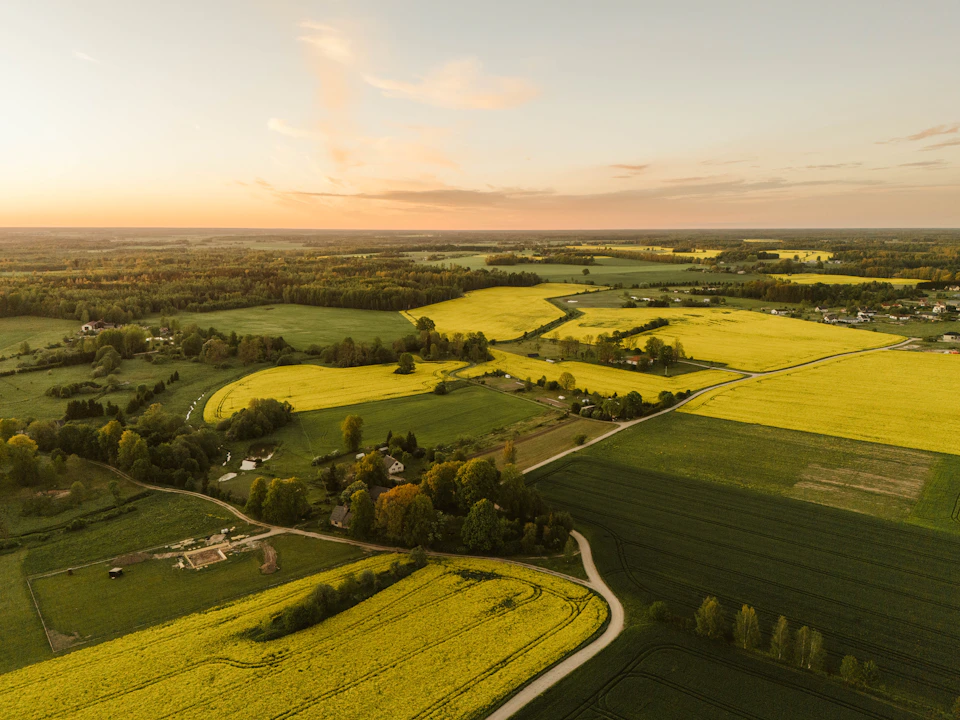
Illustrative photo: Aivars Vilks / Unsplash
Land discussions often begin with a big idea: a future project, a larger site or a property held for a later opportunity. The most useful next step is to separate that idea from the facts that can be confirmed today. Land assembly and land banking involve different objectives, even when they overlap.
Assembly is about bringing a site together
Land assembly generally involves coordinating multiple parcels to support a broader objective. The challenge is not simply finding adjoining properties. Ownership, timing, access, existing uses and the ability to complete the intended combination all need attention.
A plan may depend on more than one owner making a decision. Treat that coordination as a real issue rather than assuming each parcel will become available on the same terms or schedule. Ask your legal and planning advisers how the proposed structure would work.
Banking is about holding land over time
Land banking generally means acquiring or holding land with a longer-term objective. A future opportunity is not the same as a present entitlement to develop. A holding plan should identify both the intended outcome and the costs and uncertainties that continue while the land is held.
Consider how you would respond if the timeline changed or the original concept proved unsuitable. That discussion belongs with qualified financial, legal and planning advisers and should be specific to the property and your circumstances.
Start with the planning context
The City’s Planning Division administers its Official Plan and Secondary Plans and processes development applications. Its development-application guidance explains that proposals requiring a change to the applicable zoning may need a zoning by-law amendment.
Do not infer approval from a nearby development or a general growth discussion. Identify the parcel, explain the concept and ask municipal staff what process may apply. The answer should guide further investigation, not be replaced by an assumption about the area.
City development-application guidance ↗Bring the physical questions forward
Access, servicing, site conditions and surrounding uses can affect how a concept is investigated. Ask what is known, which records are available and what a qualified adviser needs to assess. A large parcel is not automatically a usable project site.
For an assembly, make sure those questions are considered across the combined concept, not only parcel by parcel. For a longer-term holding, record which assumptions will need periodic review.
Keep a clear decision trail
A useful project brief separates verified facts, working assumptions and open questions. Note who supplied each important answer and when it was supplied. Update the brief as the concept changes.
The North’s published developer services include land assembly and land banking. Aaron can help begin the property and local-context conversation, with the relevant professional and municipal reviews addressed as the proposal takes shape. Neither strategy comes with a guarantee of approval, timing or investment performance.
Talk about your next step