Community
Kawartha Lakes’ economic strategy: useful context, not a property forecast
By Aaron Young ·
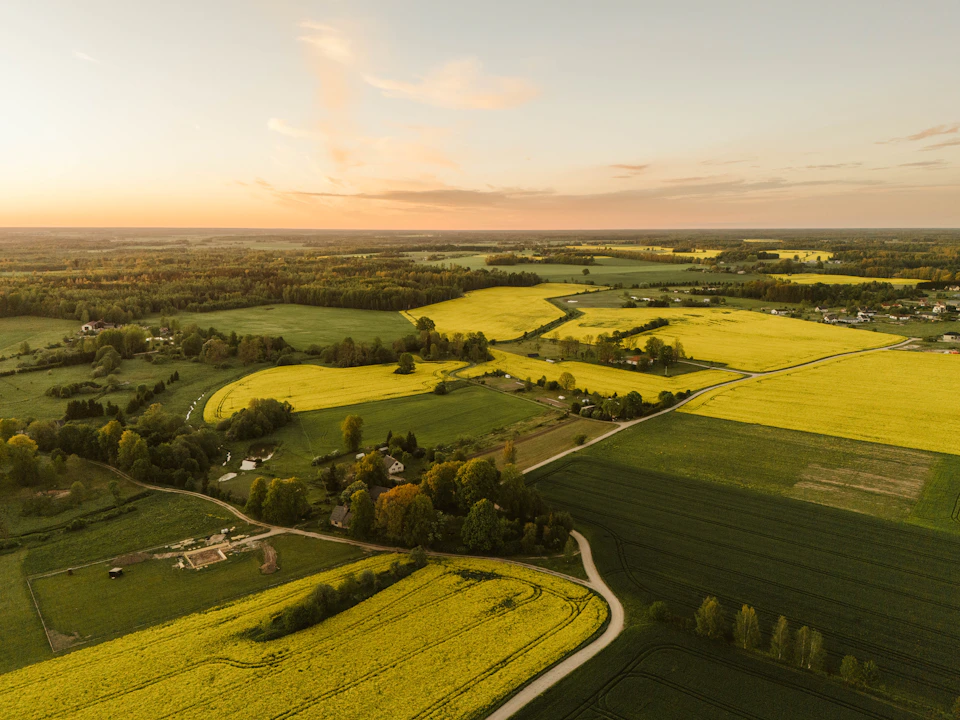
Illustrative photo: Aivars Vilks / Unsplash
An economic development strategy can help a business understand what a municipality is working toward. It cannot tell you whether a particular property is the right purchase, whether a project will be approved or what a site will be worth in the future. Keeping that distinction clear makes the document more useful.
Read the direction before drawing a conclusion
The City of Kawartha Lakes’ Economic Development Strategy for 2025–2029 sets out priorities around investment, business growth, workforce, economic and cultural spaces, and the resources supporting economic development.
Those themes provide context for questions. They are not promises attached to an individual address. A practical reading asks how a business’s requirements connect with the City’s work and which official resources can help clarify the next step.
Read the City’s strategy overview ↗Translate broad themes into a location brief
Start with the people and activities the property must accommodate. How will customers reach it? What do employees need? What deliveries, storage or equipment will shape the space? Which requirements are fixed, and which are preferences?
Then consider the commercial setting you are looking for. A business seeking walk-in visits may evaluate a location differently from an operation whose customers book appointments or order remotely. Avoid treating “good location” as a single standard that fits every business.
A clear brief gives the property search a testable purpose. It also makes it easier to explain your project when speaking with municipal staff or other advisers.
Use the City’s site-selection resources
The City’s site-selection service identifies support around potential properties, infrastructure, workforce information and connections to municipal departments. These are useful starting points when evaluating an expansion, relocation or new investment.
Ask which information applies to the specific location you are considering and when it was last updated. Where an answer affects the project’s feasibility, identify what needs confirmation from the appropriate specialist.
Explore official site-selection support ↗Keep incentives and approvals separate from assumptions
A reference to business support should prompt a question, not an entry in a budget as guaranteed funding. Verify a program’s current eligibility, application process and availability directly with the administrator.
Use the same discipline for planning and servicing. General strategic support for growth does not decide a particular application. A site-specific review is still needed, and the timing and outcome may differ from the original concept.
A stronger conversation with your real estate representative
Bring together the operating brief, the location shortlist and the unanswered questions. That gives your representative something more useful than a broad request for “an investment opportunity.” It creates a basis for comparing properties and deciding which questions must be answered first.
Aaron’s commercial and development work at The North is centred on the property objective and local context. Start with what the location needs to achieve; use the City’s published strategy as background, not as a substitute for due diligence.
Talk about your next step